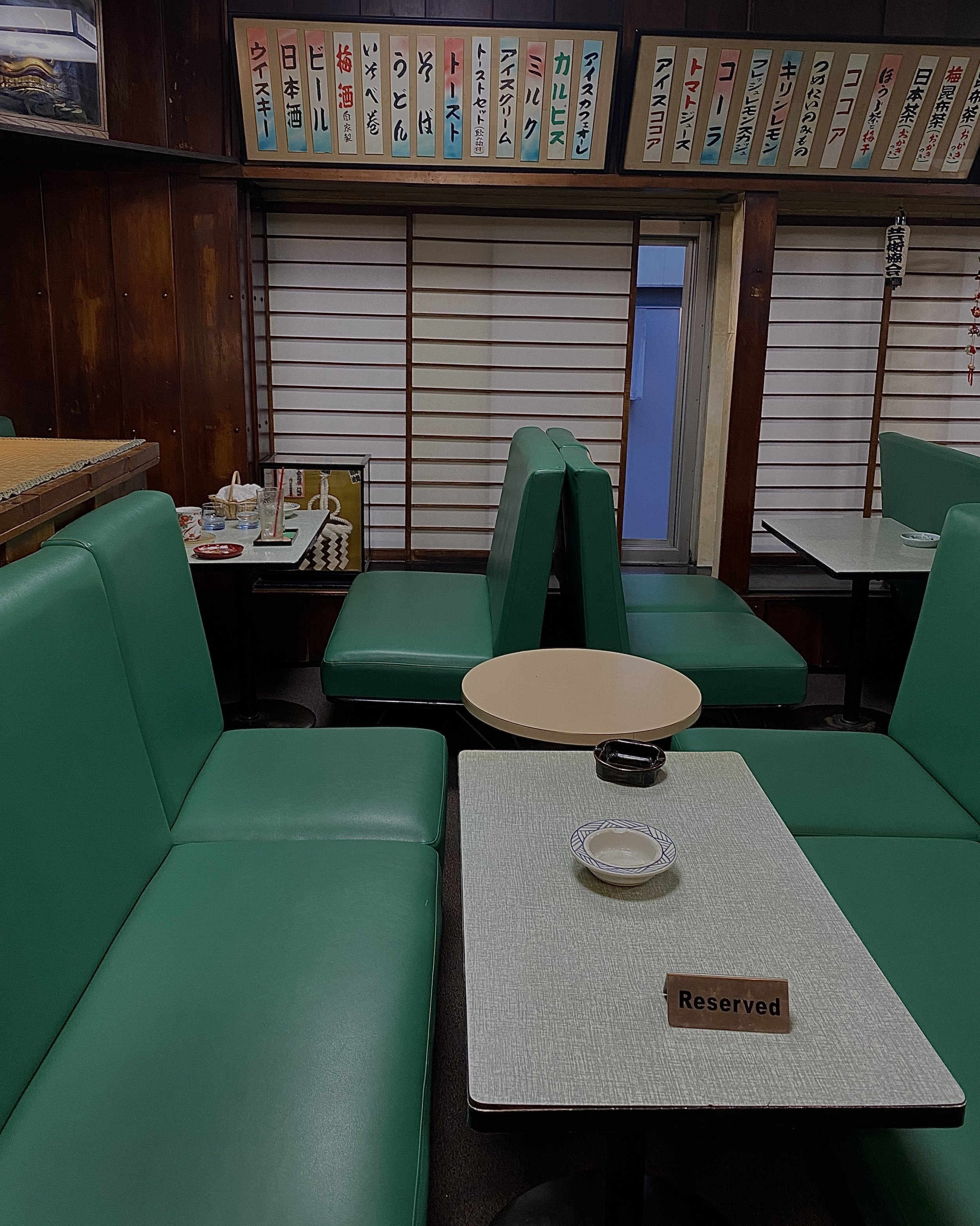
No reservations: When did dinner become an appointment?
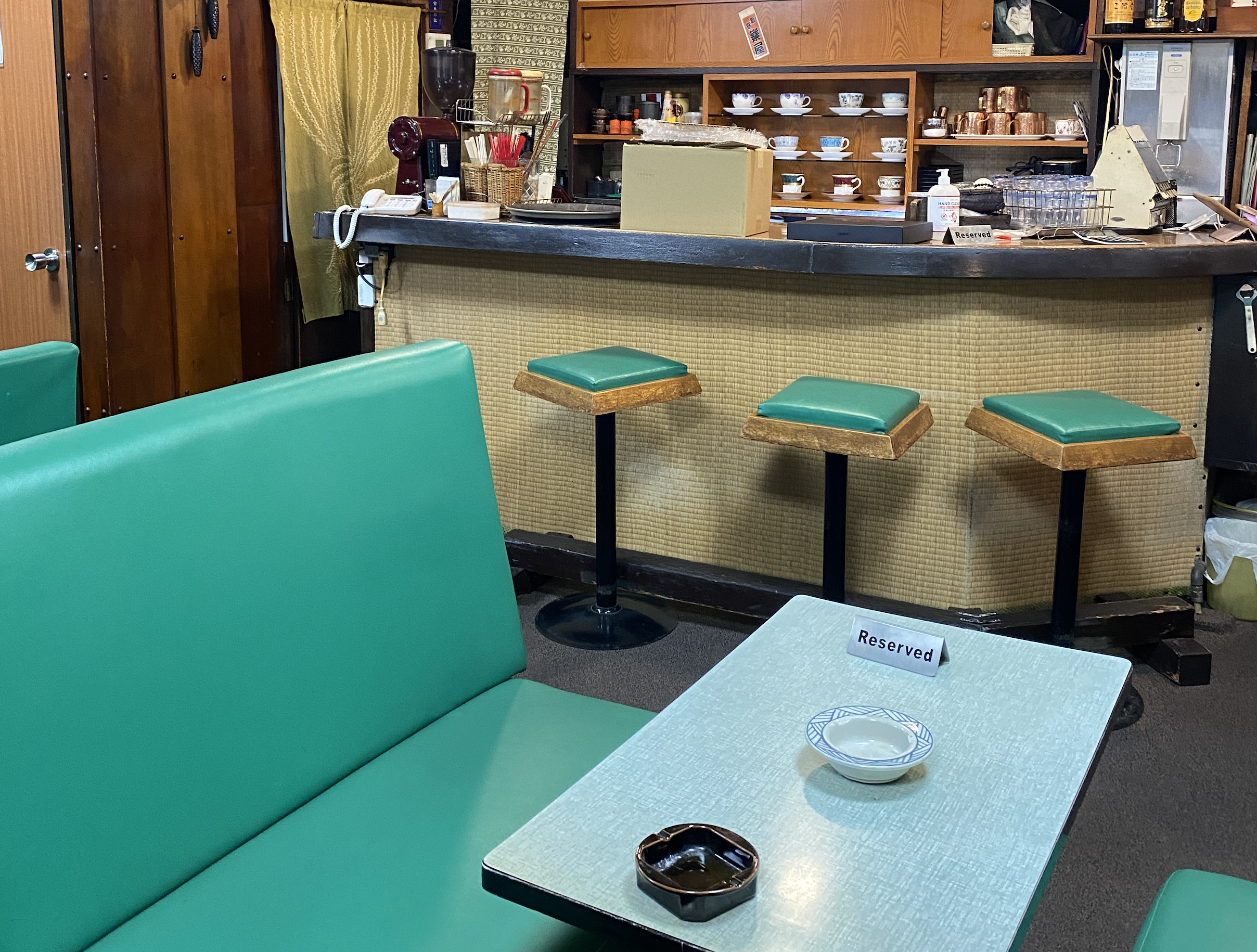
No reservations: When did dinner become an appointment?
You are walking home and the evening changes its mind. A friend calls. A light is still on in a restaurant you have passed a hundred times. There is a table. You go in. No account, no deposit, no plan made three weeks ago. Just dinner.
This ordinary possibility feels increasingly precious. In some cities, eating out now begins with a search, a booking window and a confirmation email. A table can feel less like an invitation than a small administrative achievement. The reservation at Dorsia in American Psycho was once a satire of status. Now it is difficult to tell whether the joke is the restaurant or the effort of getting in.
THE TABLE AS A PROMISE
Reservations are hardly new. Histories of European restaurants describe private dining rooms being booked in the eighteenth century and tables arranged in advance during the nineteenth. What changed was the scale and the interface: the telephone brought the ritual into everyday life; digital platforms made the available table visible, sortable and, sometimes, scarce.
For a restaurant, a booking is a promise with practical consequences. It helps estimate how many people will eat, how much food to buy, how to staff the room and when to pace the service. For guests, certainty matters too. A birthday, a trip, childcare or a group of six should not have to depend on luck. A small tasting-menu restaurant cannot always prepare an extra dinner when someone arrives unannounced.
Then there is the no-show. The kitchen has already bought and prepared the food. The staff are already on shift. Tonight’s empty table cannot be sold tomorrow. Deposits and cancellation fees are an attempt to make that risk bearable, even if they make a spontaneous meal feel more like a contract.
THE PLEASURE OF ARRIVING
Walk-in culture follows a different rhythm. A café, noodle shop, neighbourhood restaurant or late-night grill can become part of a walk rather than its destination. You might wait a little, change your mind, return tomorrow, or sit beside someone you did not expect to meet. The uncertainty is part of the city’s social life.
There is no single global rule. Everyday meals and formal occasions are organised differently, and so are a tiny chef-led counter and a busy street stall. The question is not whether one culture plans and another improvises. It is what kinds of places leave room for people to arrive without a strategy.
Walk-ins have their own exclusions. A ninety-minute queue favours people with time. Artificial scarcity can turn spontaneity into a performance. But a booking system can exclude people too, through deposits, memberships, credit-card privileges and the simple expectation that everyone is able to plan their life in advance.
MAKE ROOM FOR BOTH
Some evenings need a reservation. Some places could not survive without one. But a city also needs doors that open when you happen to pass them. The best kind of hospitality leaves space for a person to be surprised by a place, and for a place to be surprised by a person.
Not everything needs to be planned.
DOWNTIME / NO RESERVATIONS
Further reading: Khushbu Shah, “The Origins of Restaurant Reservations,” Eater, 24 July 2014.